Save the Ocean Time is ticking!

Seahorses are Amazing!

Seahorses are fish. They live in water, breath through gills and have a swim bladder. However they do not have caudal fins and have a long snake-like tail. They also have a neck and a snout that points down.

The Latin name for seahorse is Hippocampus which means “Horse Caterpillar”

  • Male seahorses actually carry the children!
  • They have great eyesight and can see forwards and backwards at the same time.
  • They have an exoskeleton!

Seahorses are under threat worldwide for three main reasons: The Traditional Chinese Medicine Trade takes in excess of up to 150 million seahorses a year from the wild and these are used for all types of medicine.The Curio Trade takes approximately one million seahorses from the wild. Along with shells and starfish; they are deliberately taken from the sea and left to die in the boiling sun.
The Seahorse is Under Threat

The seahorse faces considerable threats from multiple sources and is in danger of extinction.

01

The Chinese Medicine Trade

Approximately 150 million seahorses are taken from the wild and used for medicinal purposes.

02

Souvenir

Taken and sold as souvenirs.

03

Pet Trade Market

An estimated 1,000,000 seahorse are taken for the pet trade and less than 1,000 make it past the first week.

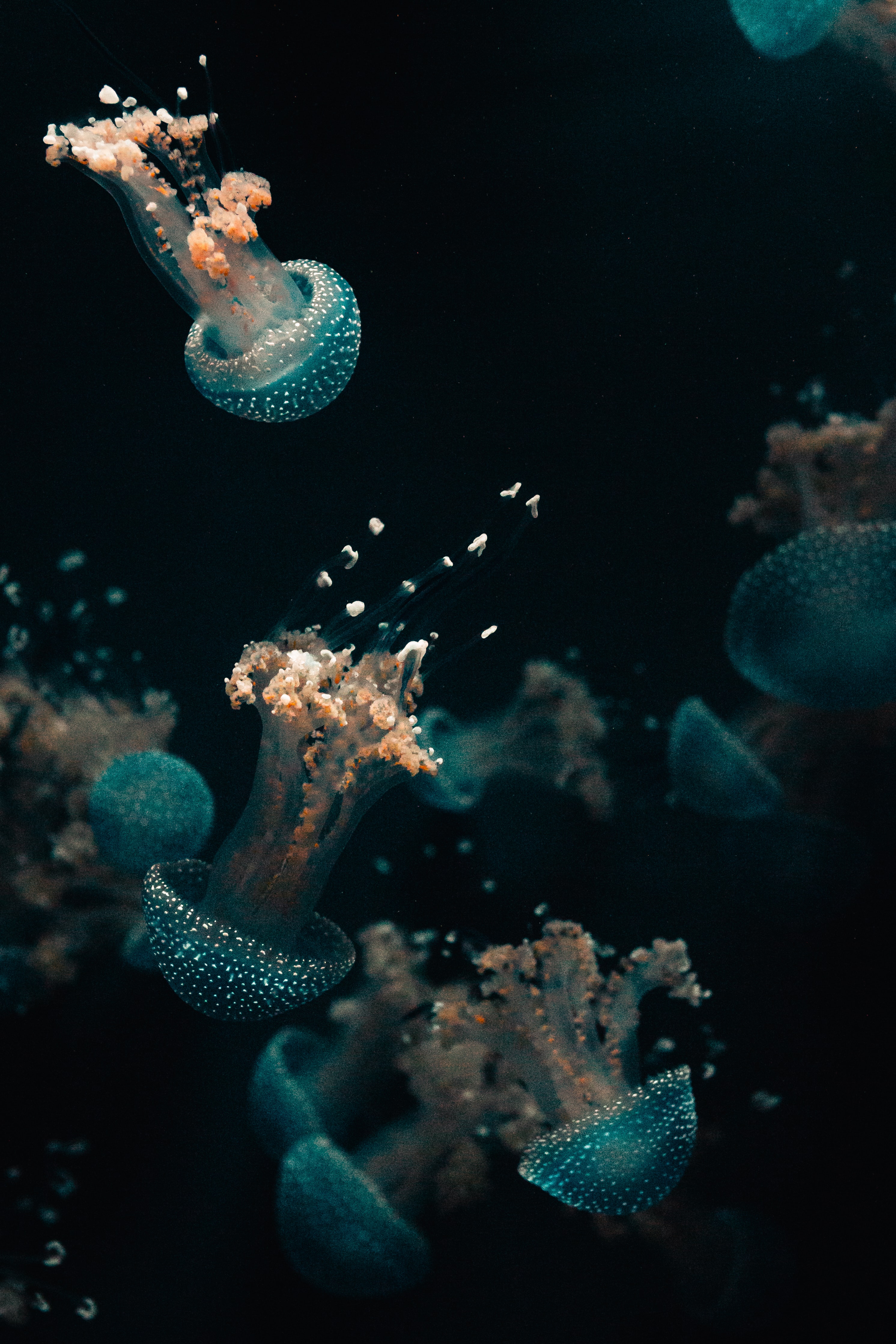
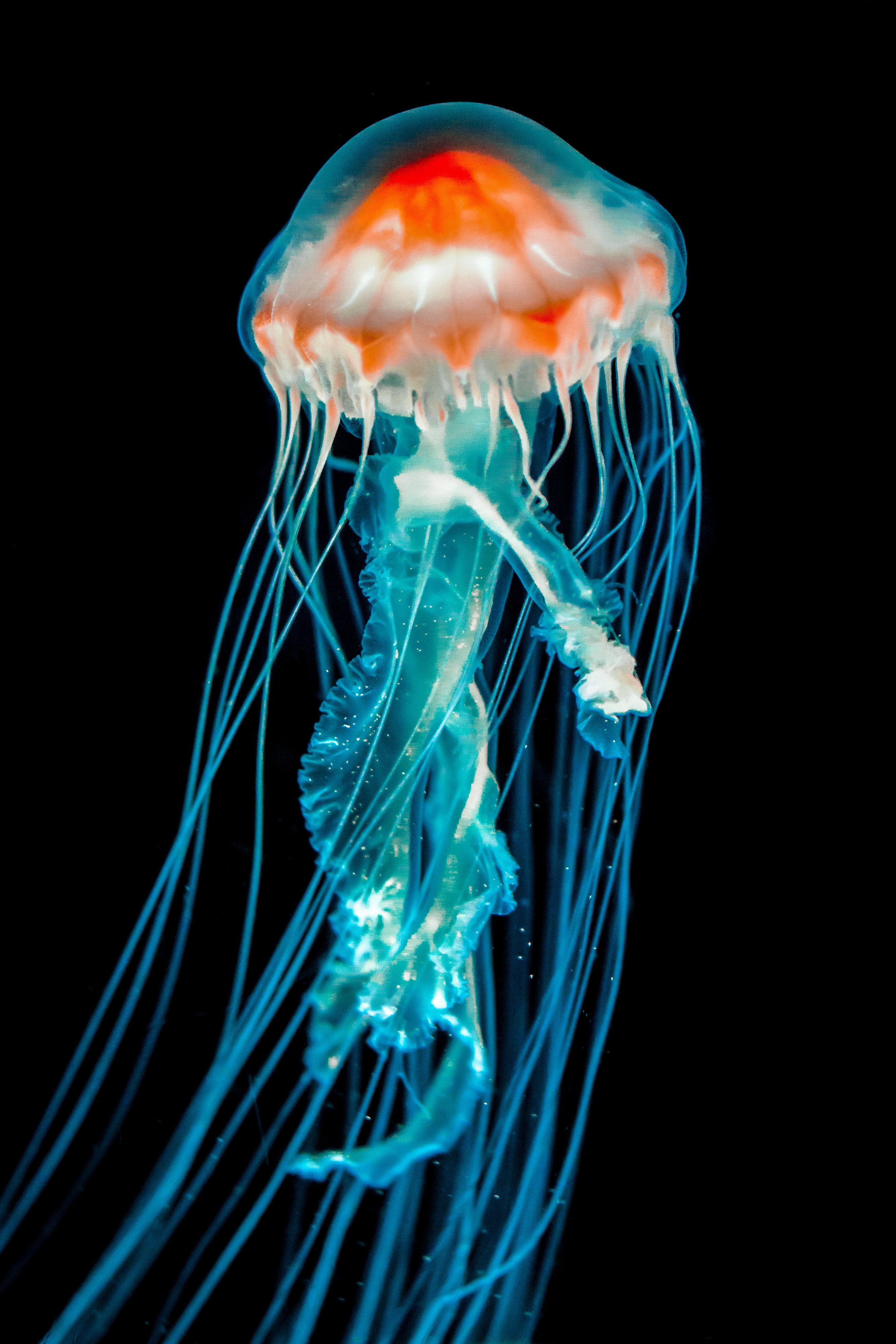
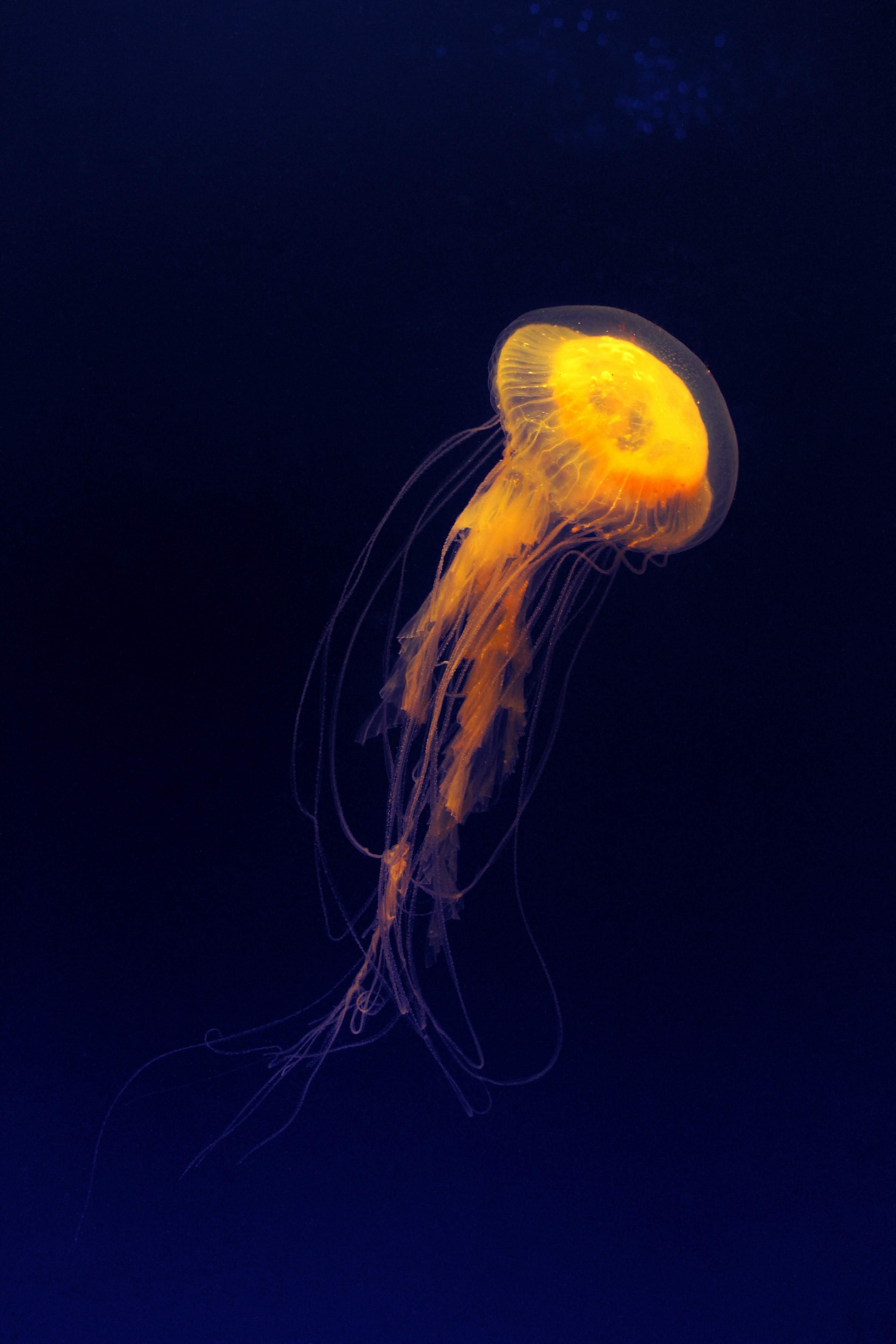
Jellyfish Fun Facts

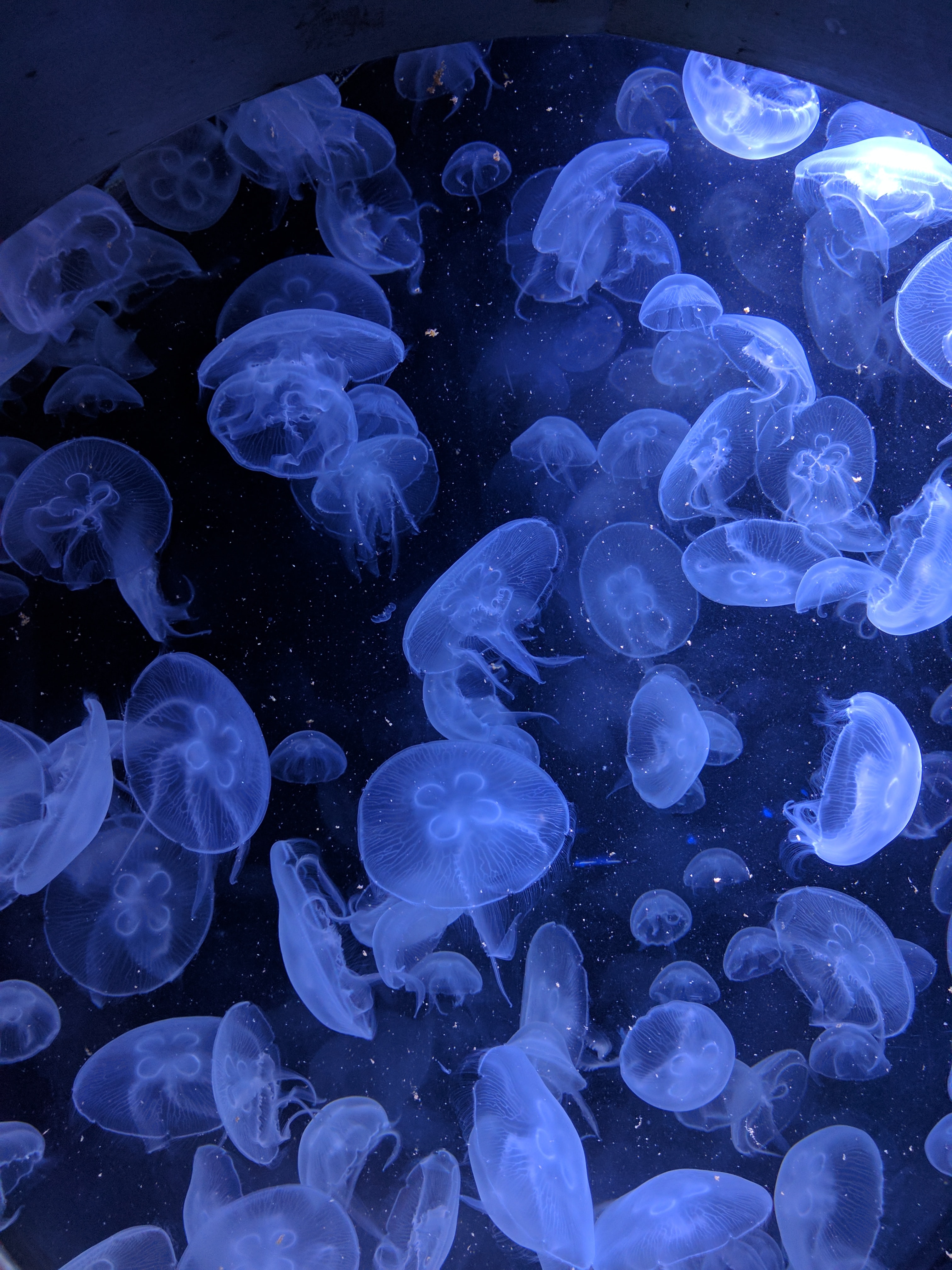
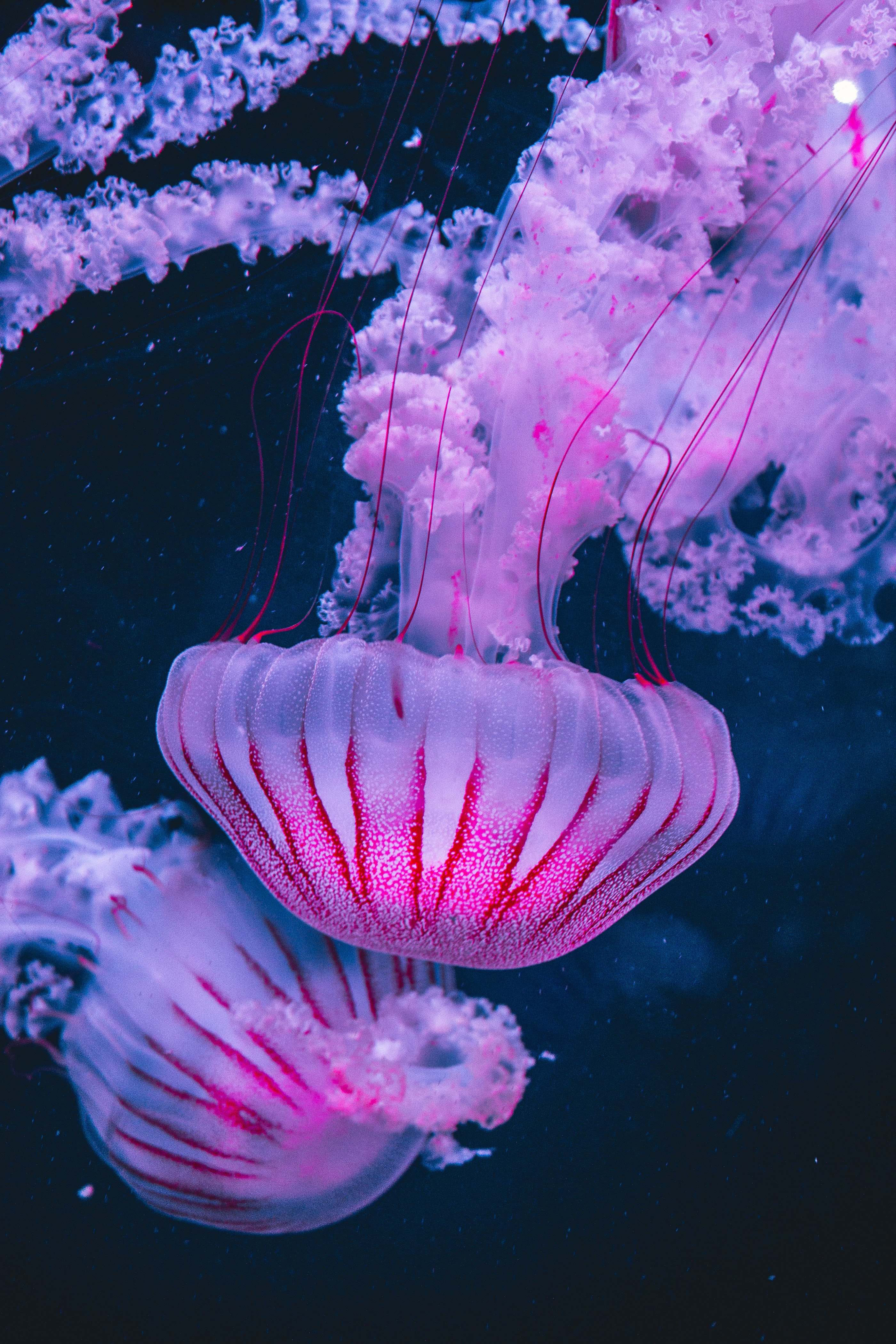
Jellyfish are cool and fascinating creatures that come in so many different shapes and sizes

Jellyfish are unique creatures

Although some can sting humans, not all of them are harmful!

Free-swimming scyphozoan jellyfish occur in all oceans and include the familiar disk-shaped animals that are often found drifting along the shoreline. Most live for only a few weeks, but some are known to survive a year or longer. The bodies of most range in size from about 2 to 40 cm (1 to 16 inches) in diameter; some species are considerably larger, however, with diameters of up to 2 metres

Jellyfish eat a wide array of foods

Not all Jellyfish eat fish

Jellyfish eat many different types of things, such as small plants (phytoplankton), copepods (crustacean zooplankton), fish eggs and other small fish called larvae; they also eat the planktonic eggs and young stages (also called larvae) of many different kinds of marine animals. Some jellyfish even eat other jellyfish!

Jellyfish live across the globe

Some jellyfish are even native to the deep sea!

Because jellyfish tend to just follow the currents of the ocean, they can be found around the world in every type of ocean water. They can thrive in warm tropical water or cold Arctic water. They've been found at the bottom of the ocean and near the surface.

Jellyfish don't have brains

Due to their lack of brains, they don't experience complex emotions

Their behaviours include swimming up in response to somatosensory stimulation, swimming down in response to low salinity, diving in response to turbulence, avoiding rock walls, forming aggregations, and horizontal directional swimming. These are not simple reflexes.

Jellyfish are in danger

Humans put the future of the jellyfish population in jeopardy

Fishing has depleted the global stocks of some of the jellyfish's natural predators – such as tuna and swordfish – and some they compete with for food – such as anchovies. With more food and fewer predators, some jellyfish populations can grow unchecked.

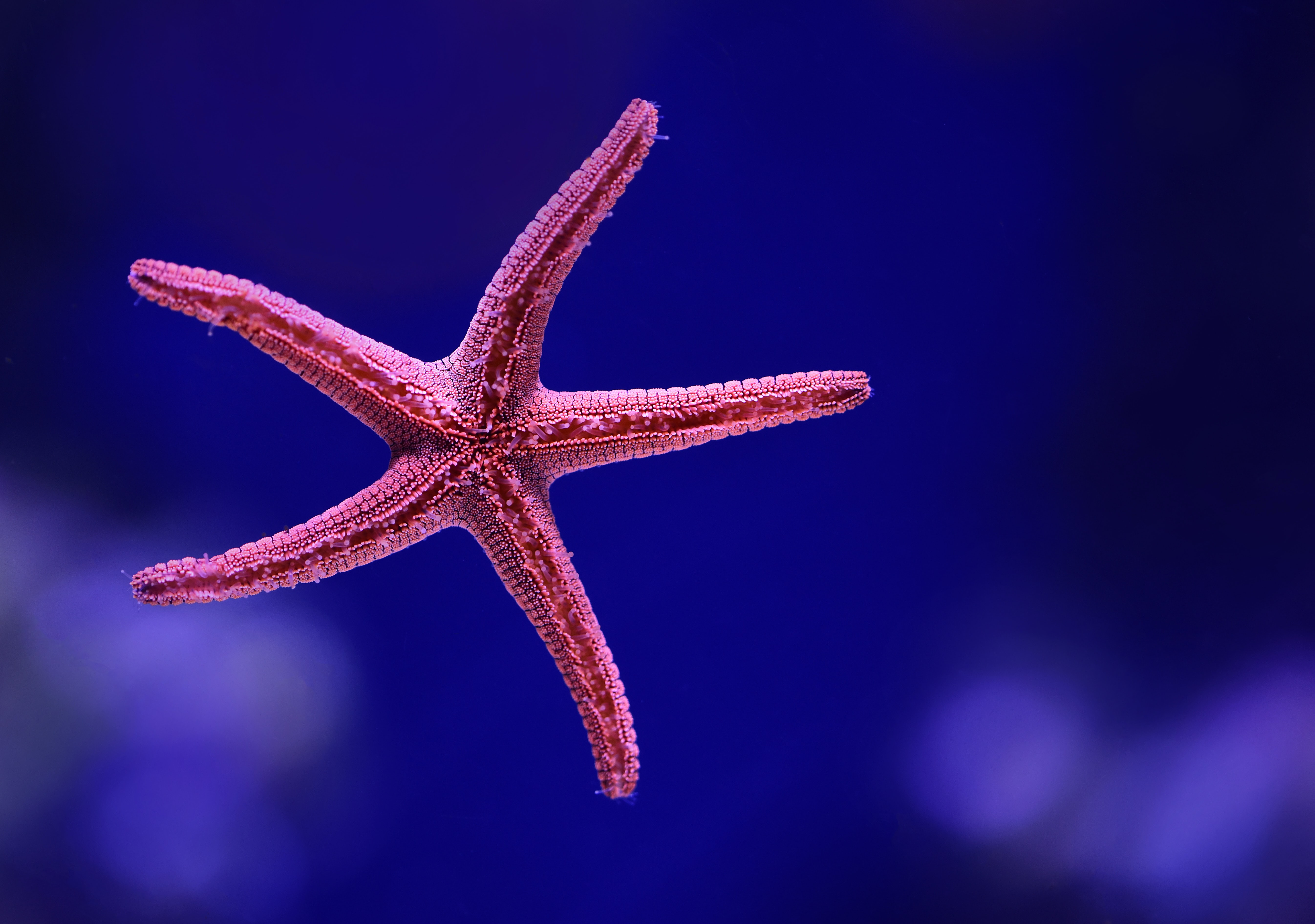
Starfish Species

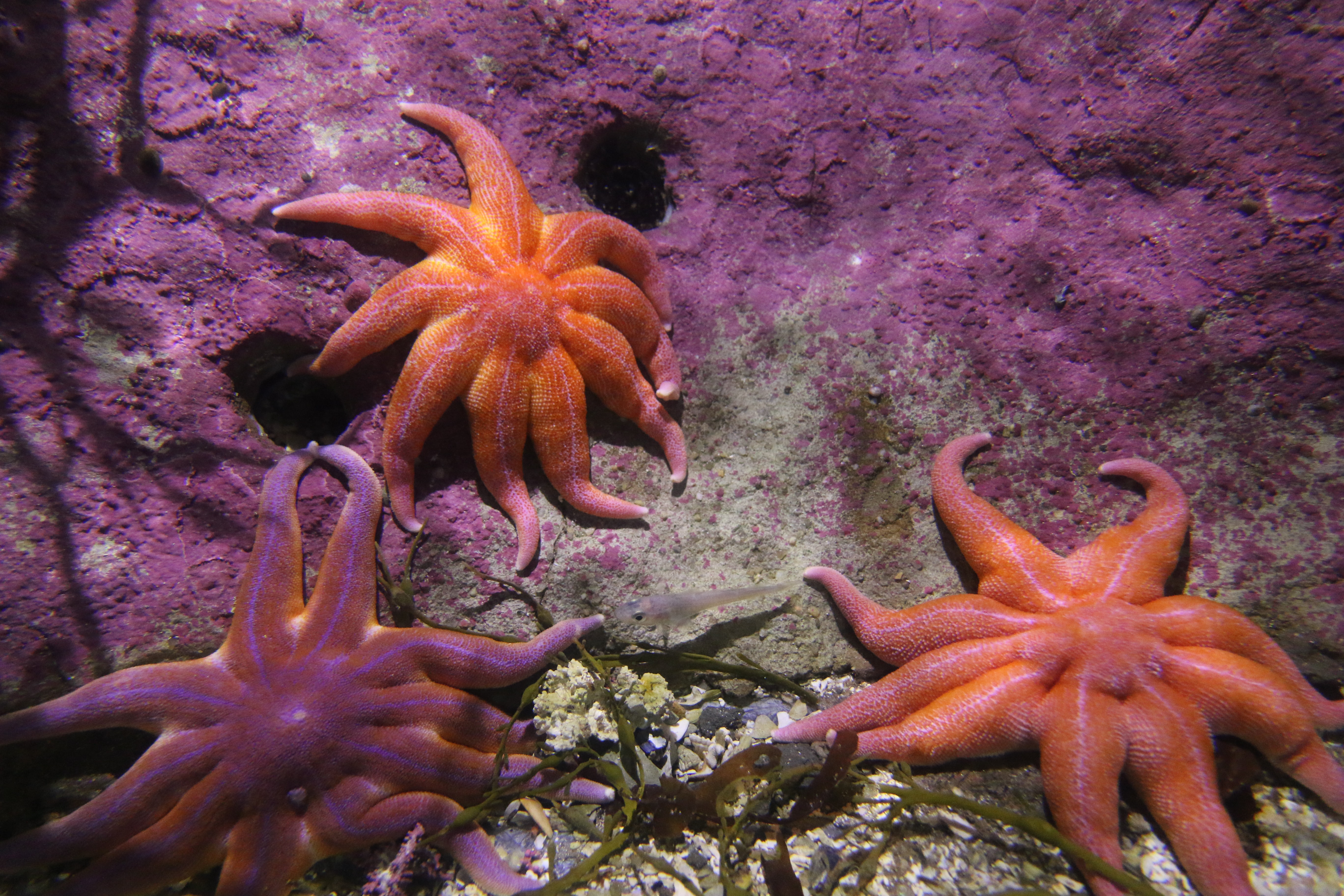
Common Sea Star

Asteroidea

The common sea star is the same species as Patrick Star!

  • Ullamco laboris nisi ut aliquip ex ea commodo consequat.
  • Duis aute irure dolor in reprehenderit in voluptate velit.
  • Ullamco laboris nisi ut aliquip ex ea commodo consequat.

The common starfish, common sea star or sugar starfish is the most common and familiar starfish in the north-east Atlantic. Belonging to the family Asteriidae, it has five arms and usually grows to between 10–30 cm across, although larger specimens are known.

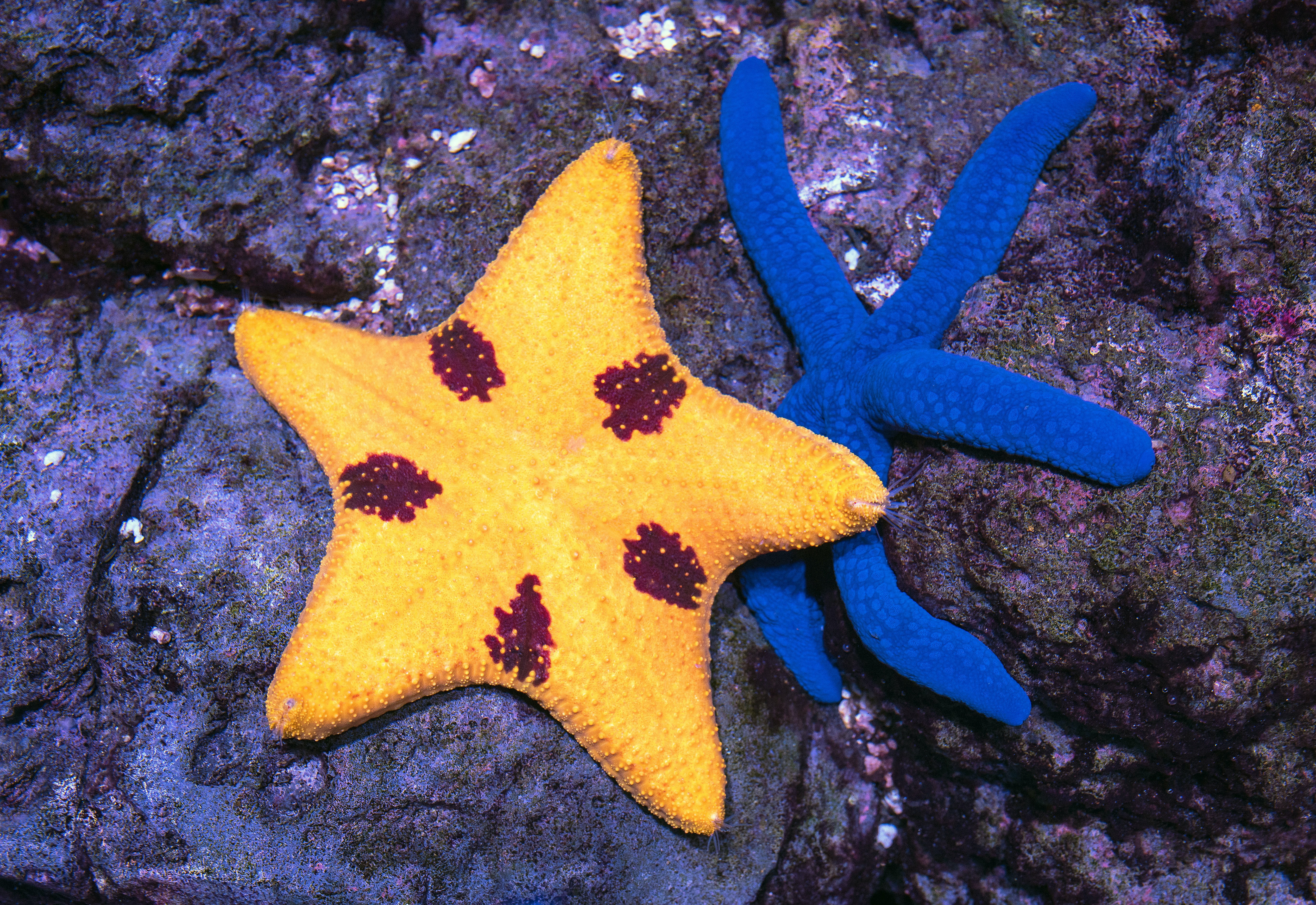
Choriaster

Choriaster granulatus

Choriaster granulatus has been found individually or in groups in the Indo-West Pacific region along coral reefs.

  • Choriaster granulatus is a carnivore and has its mouth on the underside of its body, like other sea stars
  • Threat of habitat loss, due to ocean acidification which leads to coral bleaching
  • The Asteroidea class of organisms use both asexual and sexual means of reproduction

Choriaster starfish prefer to live in warm shallow waters and can exist both alone or living in a group amongst coral sponges and rubble slopes.

Giant Sea Star

Pisaster giganteus

Can grow as big as 24 inches in diameter!

  • Found around the protected coastlines with low tide
  • The giant sea star only has a few predators
  • They are usually found up to 88 m (289 ft) down in the water

Pisaster giganteus, the giant sea star or giant spined star, is a species of sea star that lives along the western coast of North America from Southern California to British Columbia. It makes its home on rocky shores near the low tide mark. It preys on mollusks. It can grow as large as 24 in in diameter.

Save the Ocean

Put in your information to be become apart of our volunteer team and be added to the Save the Ocean Newsletter and .

Loading
Your booking request was sent. We will call back or send an Email to confirm your reservation. Thank you!

Climate Change Activists

These marine scientists are putting in the work to combat climate change

Julie Carlilse

Marine Biologist

Sarah Jhonson

Reef Specialist

Mary Nixon

Conservationist